

A siphon is an important and indispensable component when installing a new sink , bath , shower , or toilet . If you're renovating or remodeling your bathroom, a siphon is a crucial component to install. What exactly is a siphon, and how does it work?
What is a siphon?
A siphon is a plumbing fixture that drains the sink or basin and prevents unpleasant odors from escaping. It's commonly used in sinks, basins, showers, toilets, and bathtubs. Almost all plumbing fixtures with running water have a siphon connection.
A properly functioning sink siphon is essential for a fresh and hygienic bathroom. A siphon is sometimes also called a trap or swan neck because of its curved shape, which resembles a swan's neck. This name doesn't quite cover it, as there are also P-type siphons, bottle siphons, and cup siphons.

How does a siphon work?
A siphon is a curved pipe with a gooseneck that works by creating a water barrier between the drainage system and the surrounding area. Water accumulates in the bend of the pipe, forming a seal. This prevents unpleasant odors and gases from the sewer or drain from entering the room. When you drain or flush the toilet, water flows past the bend and into the drain pipe. When you turn off the faucet, water remains in the siphon, maintaining the water barrier. This way, your bathroom always stays clean and smells fresh.
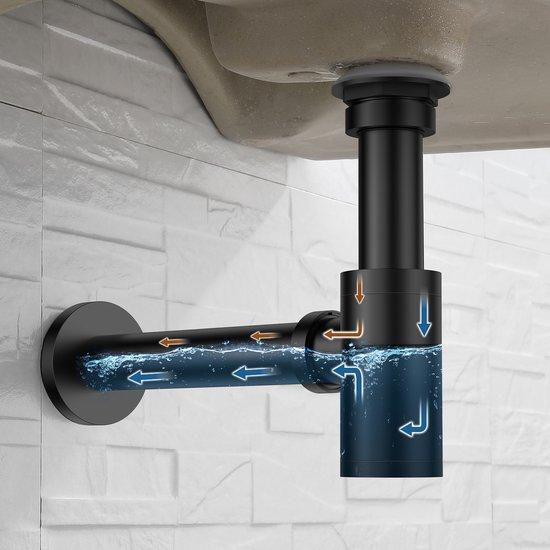
All about siphons summarized
Siphons come in various types, shapes, materials, and colors. Choosing the right siphon is important for a properly functioning drainage system in the bathroom, kitchen, or other sanitary areas.
Because a siphon is usually integrated into your bathroom furniture, it's invisible, so it doesn't necessarily have to be beautiful. If the siphon is visible, choose one that matches the color of your faucet.
Types of siphons
There are different types of siphons: built-in, built-in/surface-mounted, surface-mounted, standing, and wall-mounted. If you choose
- Built-in siphon: A built-in siphon is integrated into the wall or floor and is invisible. This creates a sleek and minimalist look in the bathroom.
- Built-in/surface-mounted siphon: This siphon can be either built-in or surface-mounted. This type is useful when partial installation is required, for example, if there is no space for full installation or if quick installation is required.
- Surface-mounted siphon: A surface-mounted siphon is mounted on the outside of the room's wall or floor, making it fully visible. This type of siphon is often used when flush-mounting is not possible or when the appearance of the siphon is not so important.
- Standing siphon: This siphon sits freely on the floor and isn't mounted to the wall. It's often used with freestanding washbasins, bathtubs, or sinks where the drain runs straight down.
- Wall-Mounted Trap: A wall-mounted trap is attached to the wall and hangs freely in the air. It's often used with wall-mounted sinks or basins where the drain pipe runs through or within the wall.
Each of these siphon types has its own applications and installation requirements, depending on the needs and design of your bathroom or toilet. If space is limited, you can also opt for a space-saving siphon!
Looking for a suitable siphon?
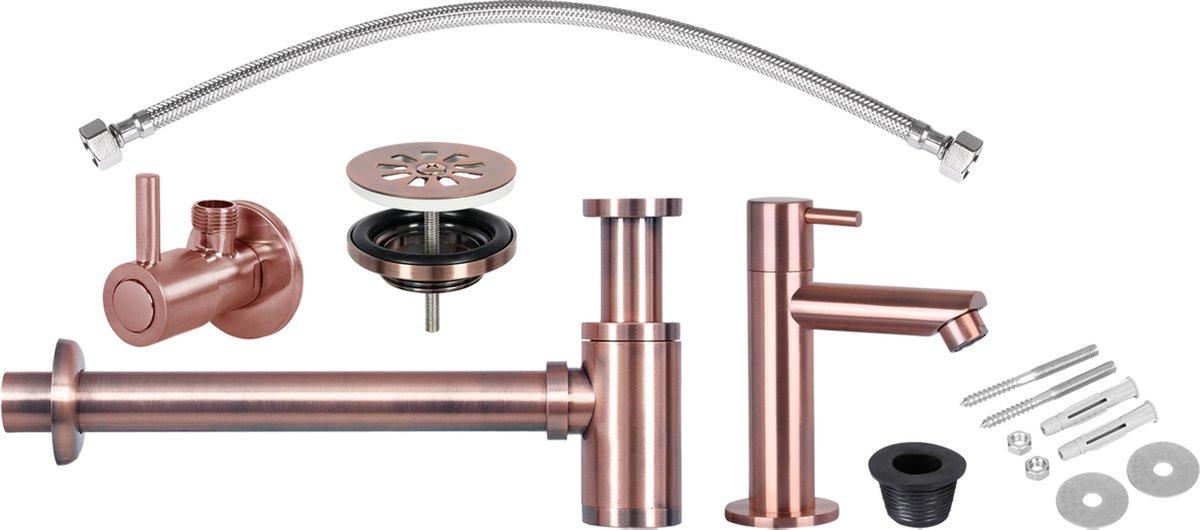
SaniSupreme offers a wide range and collection of siphons, but to choose the right one, you need to know which sizes are optimal for your situation. For example, if you have a bathroom vanity with limited space or a small sink and don't want the siphon to be a nuisance, it's good to compare the different types. There are also siphons that are absolutely not suitable for your specific situation.
Frequently asked questions about siphons
Is the siphon suitable for the drain plug in the sink?
Yes, the siphon is almost always compatible with the drain plug in the sink. Not sure? Get advice and contact customer service.
What should I do if my siphon starts to smell?
If you notice an unpleasant odor coming from the siphon, the water barrier may be gone. Try cleaning the siphon by disassembling it and cleaning it thoroughly. Always keep water in the siphon to prevent odors.
How often should I clean my siphon?
We recommend cleaning the siphon at least once a month to prevent dirt and odor buildup. This can be easily done by disassembling the siphon and cleaning it with water and a mild detergent.
Which siphon should I choose for my bathroom furniture?
That depends on the space available for the sink. Some siphons also come in a space-saving version.


